To effectively and permanently get rid of mold in basement floors, walls and other areas that are affected The cause of the water must be identified. Concrete is a porous material which is why the bulk of foundations consist of concrete slabs, water will be introduced into your home. A thick sheet composed of vinyl or plastic is placed inside the wall, which stops moisture from leaking into the wall and into the wood materials which is where mold is the most likely to develop.
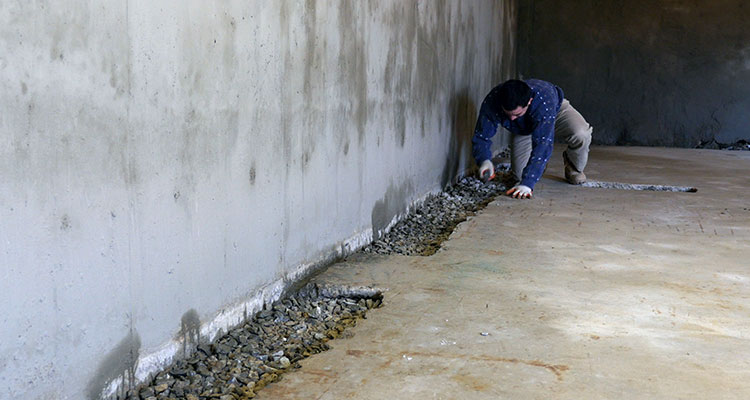
The positive aspect is that with the flow of water or moisture there shouldn’t be any signs of mold. But, if the sheet isn’t inserted during the construction phase, then the drywall has to be taken away in order to install it. If you’re looking to renovate your basement, odds are you’ll have to tear out the drywall. The membrane is put in place prior to the installation of construction of the new walls is put in place. The process is easy in comparison to exterior membranes. A reputable mold remediation company and their team can take out the old drywall and replace the plastic, then re-drywall and then paint in several days according to how large the space is.
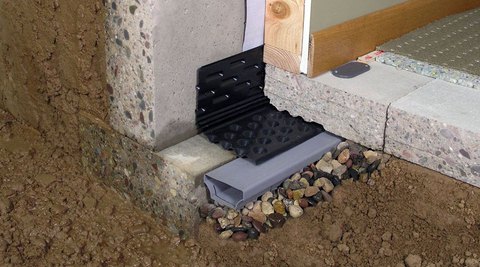
Another method of waterproofing includes the excavation of dirt from outside and clay to apply a sealant to the concrete foundation. This involves) fixing existing cracks in the cement with the cement-based sealant,) applying a flexible sealant to stop foundation movement and create new cracks and) hanging drain mats for creating the “air pocket” between the dirt and the foundation. Unfortunately, the process of excavation on the exterior involves digging up to eight feet from the outside of the structure to shield the interior, which can result in an unsanitary situation.
Many homeowners are under the impression about mold elimination that it doesn’t require to include waterproofing. This is, however, treating the causes of the issue and not the root of the issue. To prevent getting into the same situation repeatedly the homeowner must take the time and effort to address the root cause of the problem. While this isn’t cost-effective but the homeowner will discover that it will cost less over the long haul. If not, the homeowner runs at risk of several contractors or firms constantly coming to address the growing mold. In the worst case, he is dealing with the more expensive problems of water damage to walls and the foundations. It is possible to wash your walls yourself if you would like to get rid of the mold as well as the harm to the wall isn’t too terrible, but for permanent removal, you need professional help.


Leave a Reply