Is there Radon in your house? That is a question that every homeowner should be able to answer. The upper Midwest has some of the highest radon concentrations in the country, which is why homeowners and property purchasers alike should be cautious. Because most people can’t smell, taste, see or touch radon, they don’t believe they have it. It is both silent and lethal.
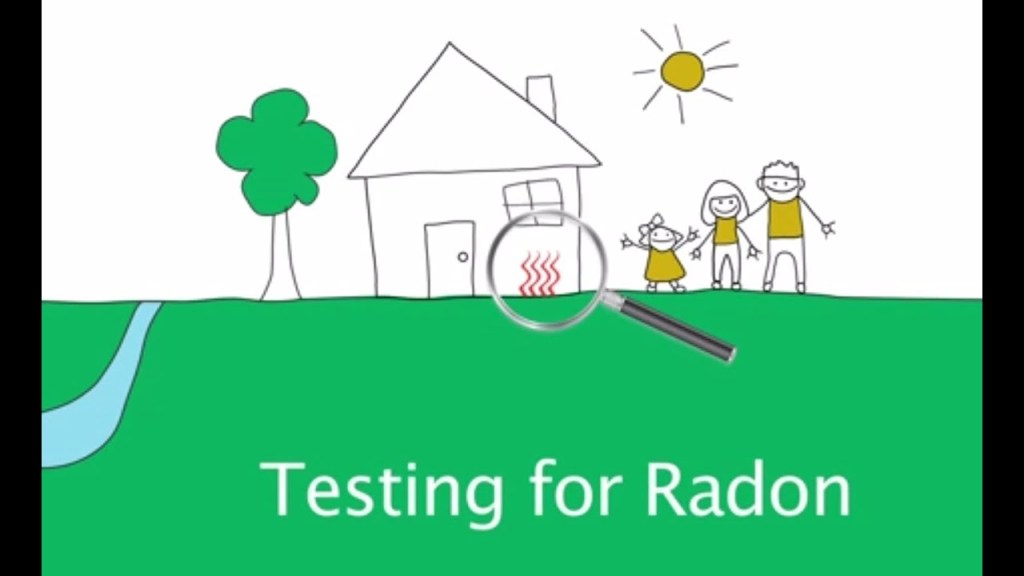
So, what exactly is Radon? Radon is a naturally occurring radioactive gas that can seep into your home and endanger your entire family’s health. Most soils contain uranium, which decays into radium and polonium over time. Polonium is eventually expelled along with radon, resulting in a high amount of toxicity in the air and water that it infuses.
There is no model for how radon test the residence; it is a persistent gas that most typically penetrates through slab cracks, floor-wall connections, exposed soil, and even well water.
Lung cancer is increased when you are exposed to radon gas. According to the EPA, radon exposure causes an estimated 21,000 lung cancer deaths in the United States each year, making it the second-largest cause of lung cancer behind smoking. Radon gas and its decay products are inhaled into the lungs, where they are further broken down and released as alpha particles. A short burst of energy is released by alpha particles, which is absorbed by surrounding lung tissue. Lung cells are damaged as a result of this. While the effects of smoking cigarettes are significantly more obvious than those of radon exposure, there is no difference in the severity of these two possible risks. How can radon exposure be equated to smoking cigarettes?


Leave a Reply